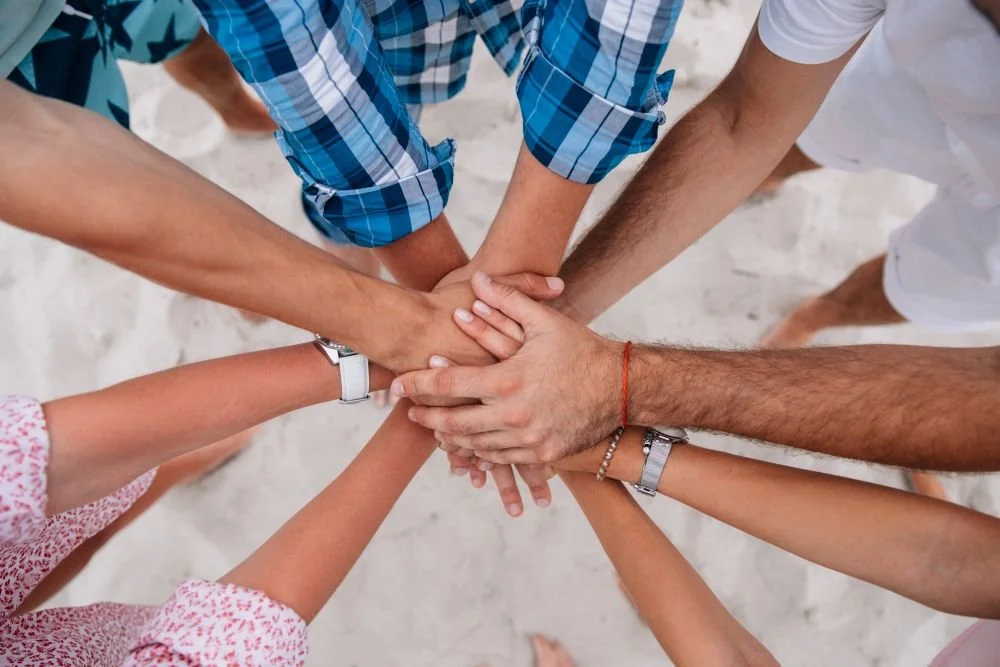
What Is Team Building in the Workplace?
Danny Brown
Team building in Dana Point, CA, transforms workplace dynamics by creating stronger communication pathways among employees, building trust, and improving collaboration across departments. Companies that invest in these initiatives see measurable improvements in project outcomes, employee retention, and workplace satisfaction. The process involves structured activities and ongoing practices that help individuals work together more effectively toward shared business objectives.
Why Team Building Matters for Modern Workplaces
The reality is that most workplace conflicts stem from miscommunication or unclear expectations between team members. When people understand each other's working styles and strengths, projects move more smoothly, and deadlines become more manageable.
Team building addresses these challenges by creating opportunities for employees to interact outside their regular work routines. This helps break down the invisible barriers that often form between departments or hierarchical levels. People start seeing their colleagues as individuals with unique perspectives rather than just job titles or obstacles to their own productivity.
Research consistently shows that teams with strong interpersonal relationships solve problems faster and generate more innovative solutions. They're also less likely to experience workplace drama that derails projects and creates toxic environments.
Measurable Benefits of Workplace Team Building
Companies that prioritize team building typically see improvements across several key performance indicators. Communication becomes more direct and honest, reducing back-and-forth emails and lengthy clarification meetings that eat up valuable work time.
Employee motivation increases when people feel connected to their colleagues and understand how their individual contributions fit into the company's larger goals. This connection often translates into higher-quality work and fewer mistakes that require costly corrections.
Problem-solving capabilities improve significantly when diverse perspectives come together in a collaborative environment. Instead of one person struggling with a challenge alone, teams can pool their knowledge and experience to find solutions faster.
Creative thinking flourishes in environments where people feel safe sharing unconventional ideas. Team building creates psychological safety, enabling brainstorming sessions that lead to breakthrough innovations and process improvements.
Practical Strategies That Actually Work
Setting clear expectations from the start prevents most team conflicts from developing. When everyone understands their role, the project timeline, and how success gets measured, there's less room for assumptions and misunderstandings.
Regular check-ins are more effective than formal quarterly reviews for maintaining team cohesion. These can be brief conversations over coffee or quick status updates during existing meetings. The key is consistency rather than formality.
Creating opportunities for cross-departmental collaboration helps break down silos that often develop in larger organizations. When marketing and customer service teams understand each other's challenges, they make better decisions that benefit the entire customer experience.
Recognizing individual strengths and matching them with appropriate responsibilities maximizes both efficiency and job satisfaction. People perform better when they're working in their areas of expertise and passion.
Activities That Build Real Connections
Problem-solving challenges work particularly well because they mirror actual workplace situations while allowing people to interact in a lower-stress environment. These might involve case studies, escape rooms, or strategic planning exercises that require input from multiple perspectives.
Outdoor activities can be effective for teams that spend most of their time in office environments. However, it's important to consider physical limitations and personal preferences to avoid making anyone feel excluded or uncomfortable.
Shared learning experiences, such as workshops or training sessions, provide a common ground for people to discuss and apply new concepts together. This works especially well when the skills being learned directly relate to current workplace challenges.
Social events outside of work hours help people see their colleagues as complete individuals rather than just professional personas. This might include team lunches, game nights, or volunteer activities that align with company values.
Building Collaborative Work Cultures
True collaboration requires more than just putting people in the same room and hoping they'll work together effectively. It starts with creating communication systems that encourage open sharing of ideas and concerns without fear of judgment or retaliation.
Trust develops gradually through consistent actions rather than team-building events alone. When team members follow through on commitments, acknowledge their mistakes, and give credit where it's due, they create the foundation for genuine collaboration.
Active listening becomes crucial when diverse perspectives come together. This means really hearing what others are saying rather than just waiting for your turn to speak. It also means asking clarifying questions and acknowledging different viewpoints, even when you disagree.
Respecting individual contributions while working toward collective goals requires balance. People need to feel valued for their unique skills while understanding how those skills serve the broader team objectives.
Maximizing Productivity Through Better Teamwork
Streamlined communication prevents the productivity drains caused by unclear instructions, duplicate efforts, and missed deadlines. When teams establish clear protocols for sharing information and making decisions, work flows more smoothly.
Strategic task delegation based on individual strengths and current workloads prevents burnout while ensuring that projects get completed efficiently. This requires ongoing awareness of team capacity and individual expertise areas.
Realistic time management becomes easier when teams understand each other's working styles and peak productivity periods. Some people work better with tight deadlines, while others need more time for thorough planning and execution.
Continuous improvement happens naturally when teams feel comfortable discussing what's working and what isn't. Regular feedback loops allow for quick adjustments rather than waiting until major problems develop.
The most successful team-building efforts focus on creating sustainable systems rather than one-time events. When collaboration becomes part of the daily work culture rather than something that happens during quarterly retreats, teams see lasting improvements in both productivity and job satisfaction.
Contact Us
Planning an unforgettable team building event or outdoor corporate adventure in Southern California? Expert Active specializes in customized group activities, coastal adventures, and team outings designed to boost morale and strengthen team cohesion.
Location: Parking, lot 34671 Puerto Pl, Dana Point, CA 92629, United States
Phone: (949) 894-4933. Call or text to start planning your event or request a quote.
Email: events@expertactive.com, reach out with questions or event details.
Ready to make your next event epic?
Contact Expert Active, Call, email, or fill out the form to get started!
Related Topics: